Conversations Catalyst

You don’t need another answer for one difficult conversation. You need to trust yourself with the next one.

Perhaps a situation with someone in your team has taken up far more of your time and energy than it should. You’ve thought it through, asked for advice, tried to be fair and still aren’t certain what to do next.

Or perhaps there isn’t just one situation. You’ve noticed you keep taking work back, second-guessing decisions, softening what needs saying or worrying that being direct will damage the relationship.

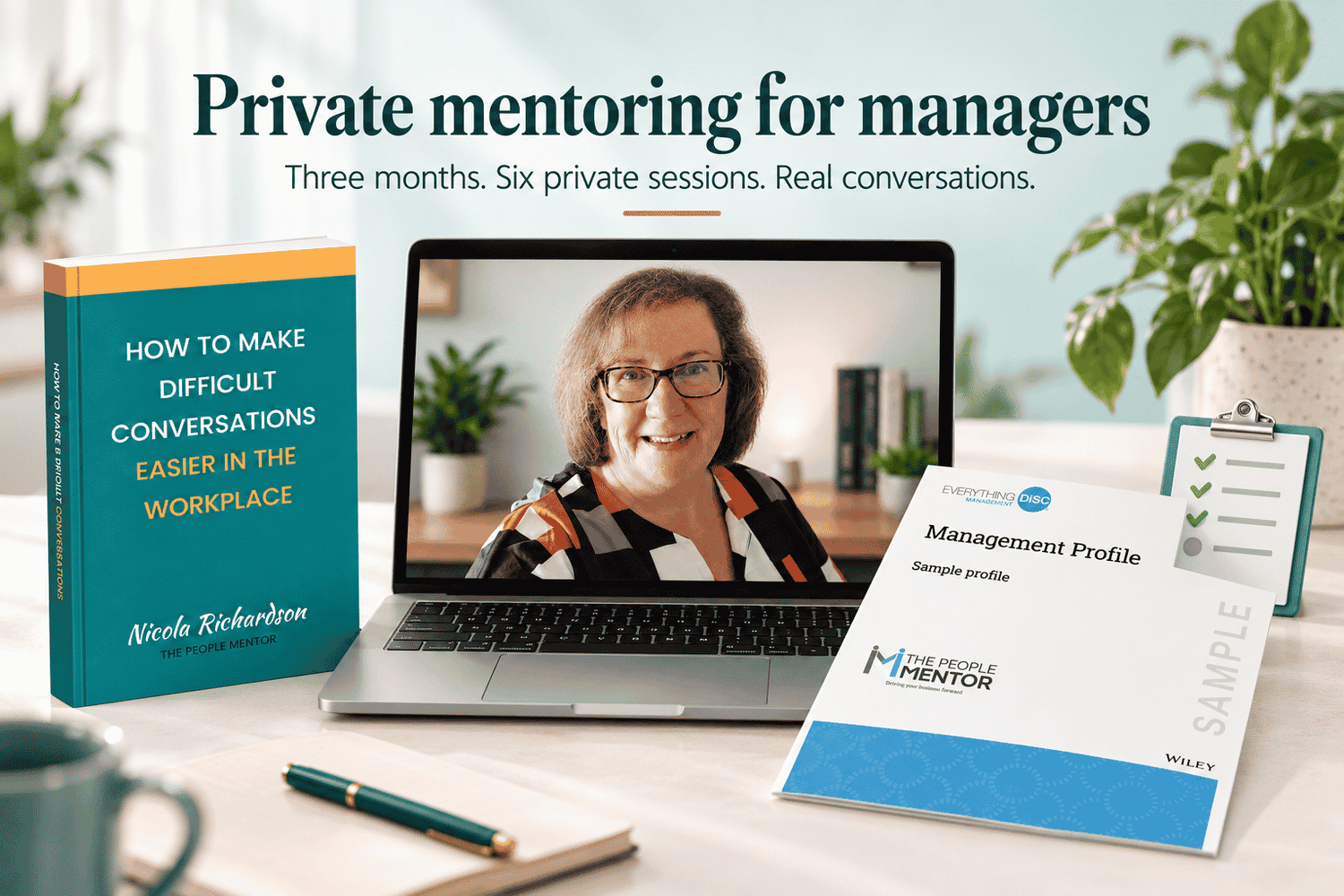
Conversations Catalyst is three months of private, practical mentoring to help you understand what’s really happening, make sounder decisions, communicate clearly and become more capable of managing people your own way.

I’m Nicola Richardson. I’ll help you work through what’s happening now, and develop the judgement and confidence you can keep using long after our work together.

Six one-to-one sessions over three months | £1,500 or three payments of £500

Talk to Nicola about what’s happening →

A private introductory call to see whether this support is right for you. No obligation to proceed.

When managing people starts taking more out of you than it should

You might have inherited a team with a history nobody has properly explained. You might be dealing with repeated missed expectations, a strong personality, tension between colleagues or someone who gets upset when challenged.

Above all, you’re trying to do the right thing. You don’t want to be unfair, harsh or the manager who makes matters worse. But you don’t want to keep going home thinking about what you should have said, either.

Sometimes you leave a meeting and replay it for hours. You might ask your own manager for a steer, then worry they’ll think you can’t cope. At other times, you do the task yourself because it seems easier than addressing why it wasn’t done.

I wouldn’t start by telling you to be firmer. I’d want to understand what’s happening, what the other person understands, which expectations have been made clear and what responsibility actually belongs to you.

Once you see the situation more clearly, you can decide what to do. That is where this work starts.

This goes much further than knowing what to say

Yes, we’ll work on difficult conversations. We’ll prepare the words, practise the reactions you’re worried about and review what happened afterwards. But those conversations are also where you learn to manage more confidently and consistently.

01

You learn to see what is really going on

A missed deadline may be a performance issue. It may also involve unclear expectations, competing priorities or support that was promised but never provided. We’ll separate facts from assumptions, consider other perspectives and get closer to the real issue before you act.

02

You become more confident making decisions

We’ll look at what is yours to decide, what needs checking, what is fair and when to involve somebody else. The aim isn’t to make you certain about everything. It’s to help you make better-informed decisions without constantly looking for someone to tell you you’re right.

03

You set clearer expectations and hold them

You’ll practise being straightforward about standards, responsibilities and follow-through. You can listen and show compassion without quietly taking back the work or allowing the same problem to keep returning.

04

You handle pressure without losing your direction

You’ll understand more about how you respond when someone challenges you, becomes emotional or disagrees. You’ll have ways to pause, listen and bring the conversation back to what matters rather than retreating or becoming harsher than you meant to.

05

You become less reactive and more intentional

Instead of spending days rehearsing, you’ll develop a repeatable way to look at a people problem, decide on the next sensible step, act earlier and learn from the result.
What this might look like in your working week

Imagine you have taken over a team where two colleagues regularly complain about one another. Everyone has a view on who is at fault, including people who weren’t there when it started.

It would be easy to decide you need to confront both of them. We might find instead that responsibilities have never been agreed, the previous manager handled things differently or you’ve been absorbing disagreements that the team needs to take more responsibility for.

Together, we’d examine what you know, what you still need to establish and what fair expectations look like. You’d decide who needs to hear what, what you can reasonably ask them to change, and how you’ll follow it through.

Then you would test your approach in the real world. When we next speak, we’d examine what happened and what it tells you. That process develops far more than the ability to get through one awkward meeting.

The difference I want you to notice after three months

  • A complicated people situation becomes easier to untangle when you stop assuming the first explanation is the whole story.
  • You know how to make a fair decision, explain it and stand by it while staying open to new information.
  • Concerns get raised earlier, and good work receives recognition before it’s overlooked.
  • You make expectations clearer and stop automatically carrying responsibilities that belong to somebody else.
  • Even when someone disagrees, you can listen without losing sight of what needs to happen.
  • You understand your own habits under pressure and can choose a better response.
  • It becomes easier to judge when to handle an issue yourself, when to seek support and when formal HR processes are appropriate.
  • You have a practical way of thinking things through that you can use the next time a difficult situation arrives.

You won’t become a manager who never needs advice. You’ll become one who can increasingly trust their own judgement and recognise when advice is genuinely needed.

Talk to Nicola about what’s happening →

You can bring what is actually happening, not a polished version

You don’t have to know whether the problem is your communication, somebody else’s behaviour, team history or a bit of everything. Part of my job is helping you work that out.

I’ll listen and ask questions. I’ll challenge your assumptions and I won’t automatically agree with your interpretation of events. But I won’t make you feel foolish for finding something difficult. We can be honest about your part in a situation without deciding the whole problem is yours.

This isn’t a set course in which you sit through topics that don’t apply. We’ll work with the situations you’re dealing with and the patterns we begin to notice across them.

What people have said about working with me

“Within just two sessions I saw a complete shift in my approach. Within a week I had transformed my entire outlook. When it came to providing feedback, which can be daunting, Nicola taught me how to do this in a safe, non-combative way.”
— Alison, Public Sector Professional
“She helped me see the situation from a different perspective, and her calm approach helped me take the emotion out of it.”
— Michelle Robinson, Copywriter
“She challenges, supports and empowers with a rare blend of wisdom, authenticity and empathy. Nicola has been a catalyst in refining my approach to leadership, decision-making and transformation.”
— MF, Programme Lead

These comments relate to Nicola’s wider work, not necessarily this exact three-month offer.

What’s included

  • Six private online mentoring sessions over three months. The first is approximately 90 minutes; the following five are approximately one hour.
  • A Wiley DiSC profile to help explore your communication preferences and responses under pressure.
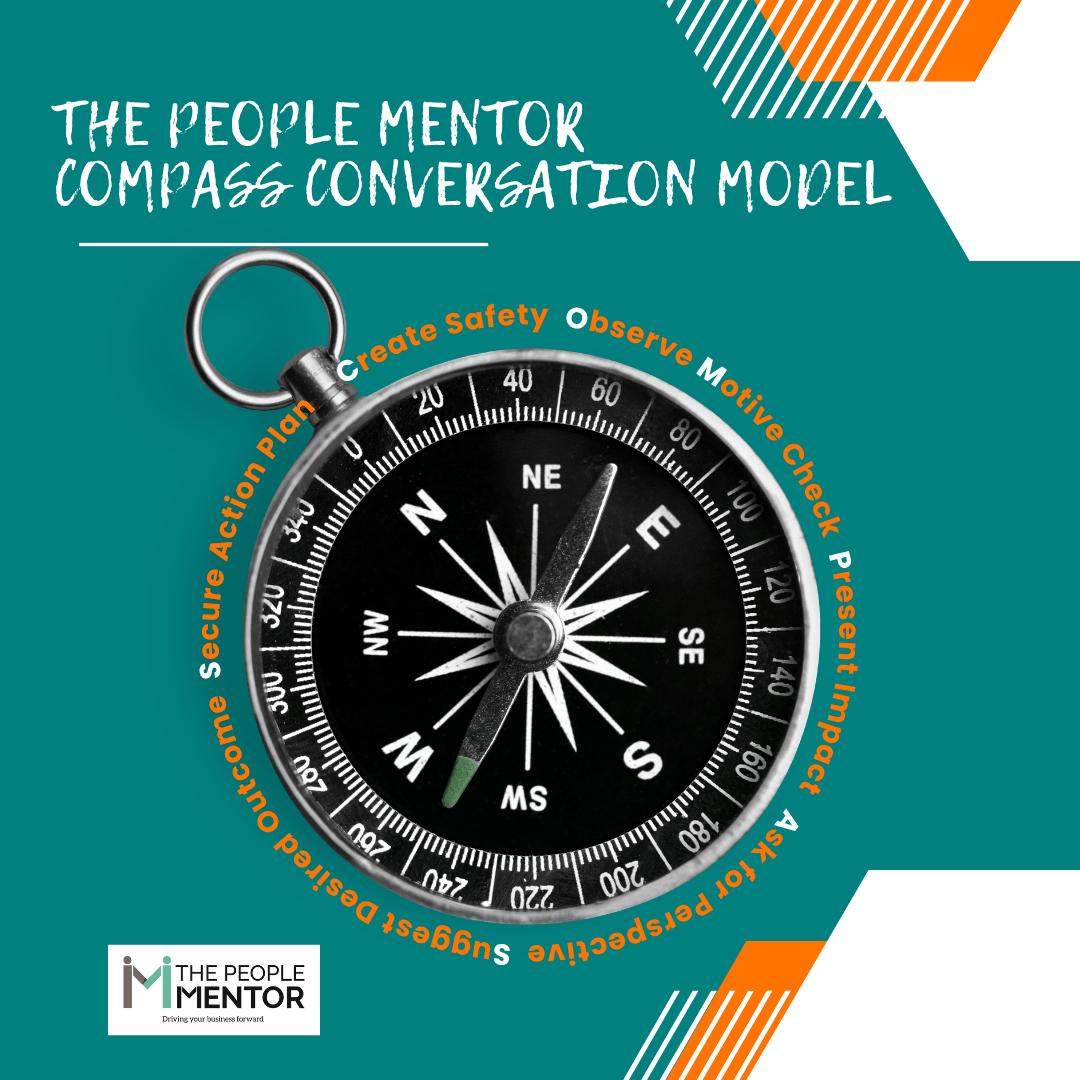
  • Practical preparation, rehearsal and follow-through using my COMPASS Conversations framework.
  • Up to three pairs of additional 30-minute preparation and review calls for significant conversations.
  • Email or WhatsApp support between sessions, within agreed boundaries. I normally aim to respond within 24 hours.
  • A printed Difficult Conversations Journal and relevant short online learning.

Investment: £1,500 or three payments of £500.

Book a private introductory call →

Would one session be enough?

If there’s one specific conversation you need to prepare for, the Workplace Conversation Kickstart may be all you need at the moment.

Conversations Catalyst is for you if the issue has been going on for a while, several situations are connected, or you’re noticing a recurring pattern in how you respond to people problems. Three months gives us the chance to work on what happens before, during and after real situations, so the learning becomes part of how you manage.

If you begin with Kickstart and later choose Catalyst, the current draft includes a £100 credit towards the programme.

You can pay personally or ask your employer to fund it. We’ll agree confidentiality arrangements and any reporting expectations before mentoring begins.

Why work with me?

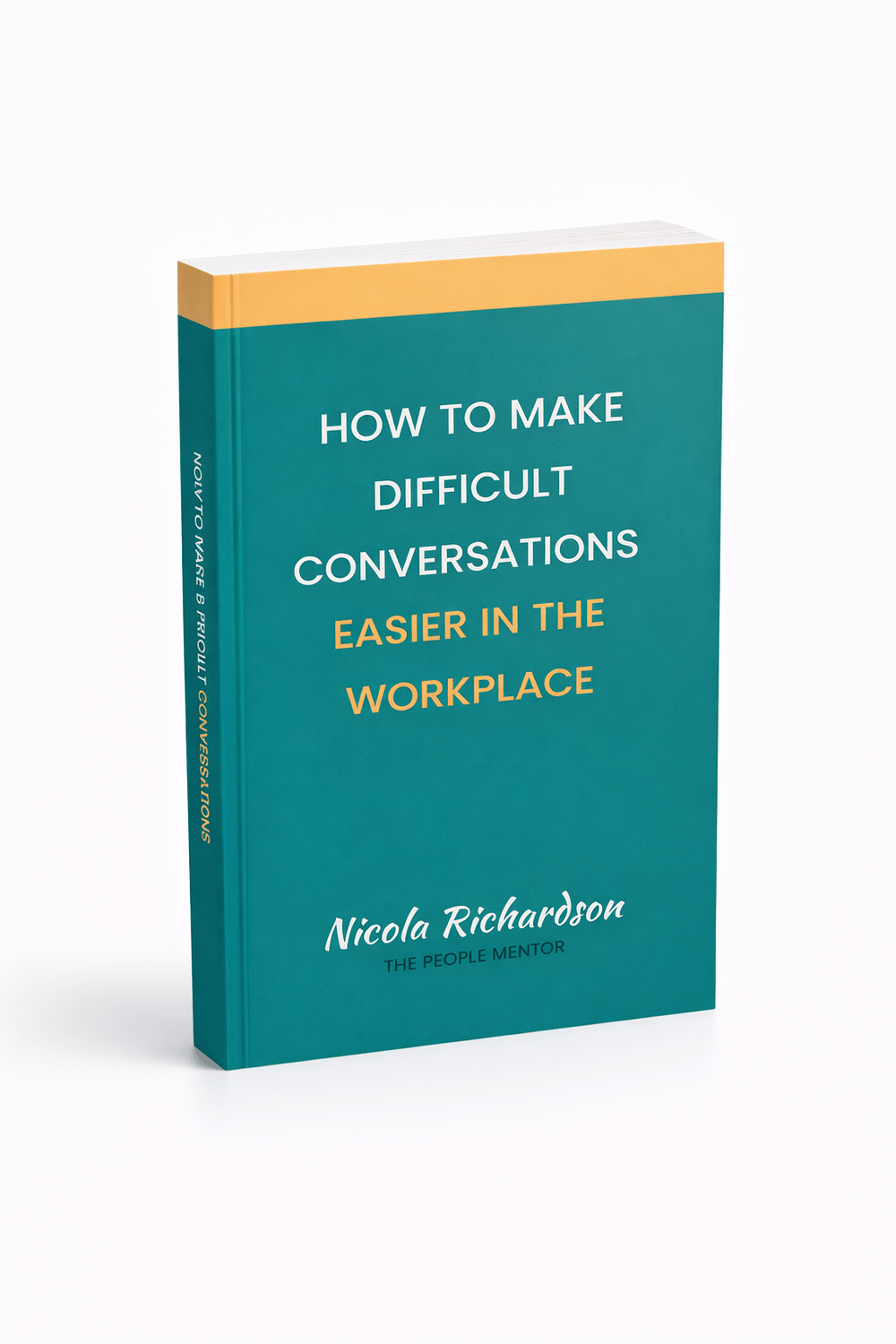
I’m Nicola Richardson, The People Mentor. I’ve spent around 40 years in management, leadership and operational work, including my family’s business and the Civil Service. I’m a Chartered Fellow of the Chartered Management Institute and a Chartered Manager, and I wrote How to Make Difficult Conversations Easier in the Workplace.

I’ve dealt with situations I handled well and others I learned from afterwards. That experience has taught me to look beyond the immediate conversation to the expectations, relationships, decisions and habits underneath it.

My approach is calm, practical and fair. I’ll help you think for yourself, and I’ll tell you when I believe there’s another perspective worth considering.

Questions you may be asking

What if I get upset?

It’s all right if that happens. We can look at what puts you under pressure and practise ways to pause, settle your thoughts and come back to what needs saying. You don’t need to hide that you find a situation difficult.

Is this just difficult conversations training?

No. Difficult conversations give us real situations to work with, but the wider aim is to strengthen how you assess people problems, make decisions, communicate expectations, handle your own reactions and follow through. You should leave with approaches you can use in situations we haven’t even discussed.

Will you tell me what to do?

I’ll help you explore options, challenge assumptions and work out practical next steps. Sometimes we’ll practise specific words. But I won’t take over your decisions; developing your judgement is part of what you’re paying for.

Will my employer find out what I tell you?

If you are paying privately, I won’t routinely report to your employer. I’ll explain confidentiality and its limits before we start. If your employer is funding the programme, we’ll agree any reporting arrangements in advance.

What if a formal process is already underway?

We can work on your thinking, preparation and communication alongside that process. Mentoring does not replace HR or legal advice, representation or your organisation’s procedures.

I’ve managed people for years. Is it still relevant?

Yes. Being experienced doesn’t mean every people situation becomes straightforward. A new team, a breakdown in a working relationship or something that tests your judgement can happen at any point in your career.

You don’t have to work it all out before we speak

If something at work is making you question how you manage, we can start there. Tell me in general terms what is happening and what you’d like to be different. I’ll explain how I work and whether Conversations Catalyst looks like the right fit.

Talk to Nicola about your situation →

A private introductory conversation, with no obligation to proceed. Please don’t include names or sensitive employee details in your booking enquiry.